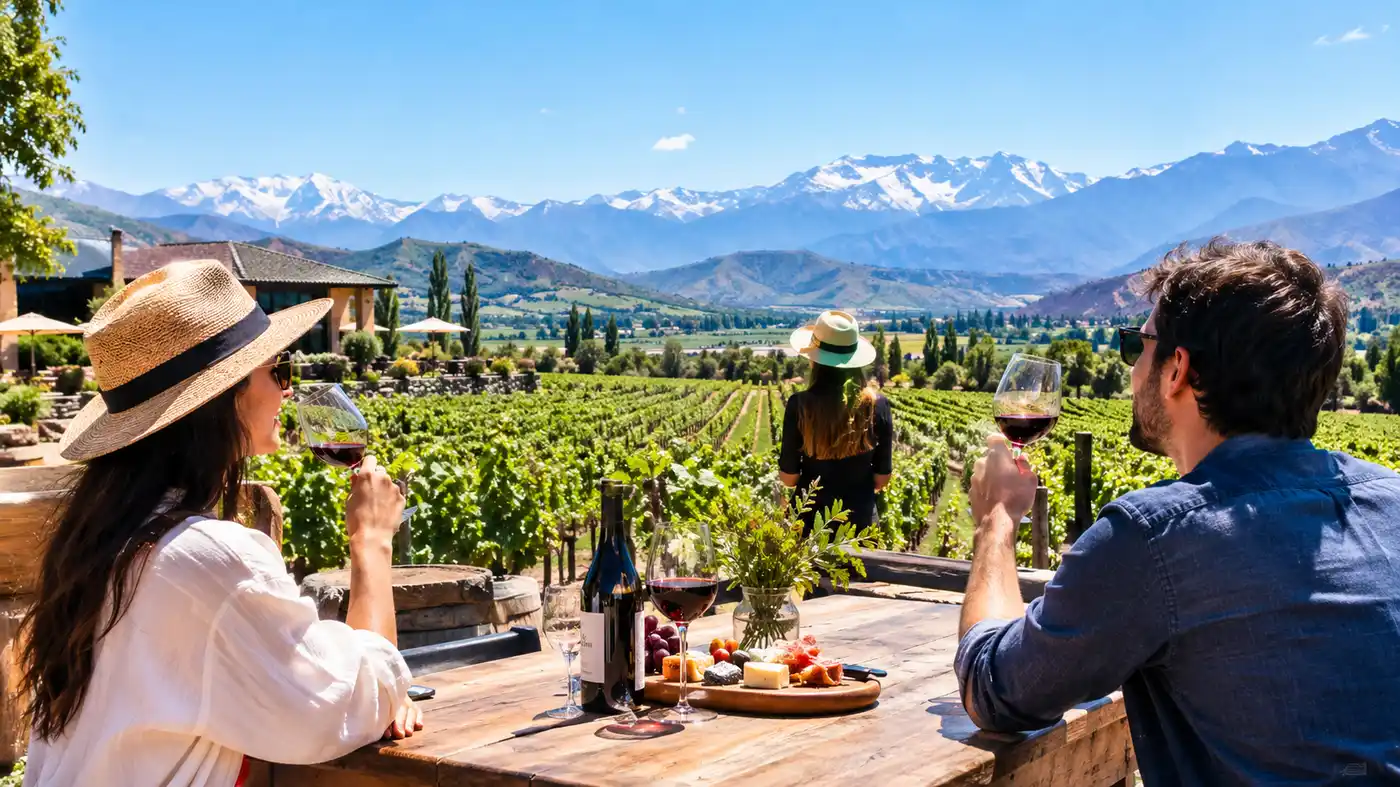
Cachapoal Valley Wine Guide: Wineries & Map
Most travelers heading south from Santiago on Ruta 5 blast right past the turnoffs, their eyes set on the famous tasting rooms of Colchagua. I did the exact same thing on my first two trips to Chile. But tucked right between the capital and the southern central basin lies the cachapoal valley, a dramatic wine region where old-growth Carmenère thrives in sheltered river basins and bold Cabernet Sauvignon hugs the sheer granite slopes of the Andes. It is quiet here. You will not find tour buses crowding the gravel driveways, which makes visiting feel less like commercial tourism and more like finding a secret somebody forgot to market properly.
Together with its southern sibling, this area forms the historic Rapel Valley, yet the character here is wildly distinct. The towering mountain walls funnel cooling drafts down through the vineyards at night, dropping afternoon temperatures by 20 degrees Celsius within three hours. That sharp thermal shift gives the local reds their vibrant acidity and balance. Whether you want to marvel at the gold-roofed architecture of world-famous luxury estates or sip field blends on a porch with a winemaker, this guide covers everything you need to navigate the valley without running into logistical roadblocks.
Book your santiago wine tours experience:
Geography and the Valle del Cachapoal Mapa: Alto vs. Peumo
To make sense of the area, you have to split it into two very different geographic zones. Local winemakers talk about them as if they are separate countries. To the west, tucked behind coastal hills along the river, sits Peumo. This pocket stays warm and sheltered, catching just enough humidity from Lake Rapel to keep vines happy during hot summers. Peumo is widely recognized as the premier cradle for Carmenère in South America. The deep clay soils retain just enough moisture to slowly ripen this notoriously finicky grape, stripping away green bell pepper flavors and replacing them with lush notes of blackberry, cocoa, and sweet tobacco.
Head east toward the mountains, and everything changes. Alto Cachapoal climbs directly into the Andean foothills along the river's upper reaches, centering around towns like Requínoa and Machalí. The soils out here are lean, filled with round alluvial stones that look like river pebbles. Cabernet Sauvignon and Syrah rule these slopes. The wines are leaner, more chiseled, and carry a mineral bite that reminds me of mountain herbs after a rainstorm. If you look at a classic valle del cachapoal mapa, you will see the vineyards strung out like a ribbon along the riverbed, hemmed in by dry foothills on both sides.
Then there is Millahue, tucked in a private valley basin just south of the main river. The indigenous Mapuche people called it the "Place of Gold," and today it holds some of the most ambitious plantings in the country. Because the valley turns in on itself, it creates small amphitheaters of sun and shade where five different Bordeaux varieties ripen at totally different paces across a single afternoon.
Note: Public transport between the eastern and western halves of the valley is virtually non-existent. Trying to catch local micro-buses between wineries will eat up your entire day, so plan to rent a vehicle in Rancagua or Santiago, or hire a private driver.
Top Wineries to Visit in Cachapoal Valley
Planning visits in the valle de cachapoal takes deliberate effort because these are working agricultural properties, not theme parks. Most will turn you away at the gate if you show up without an appointment made at least 48 hours earlier. Below are four producers that offer distinctly different angles on what this valley does best.
VIK Chile is the outlier here. Set in the Millahue sub-valley, this property feels like an art pavilion built on a futuristic planet. The winery features a massive, gently sloping water mirror studded with stone sculptures, which cools the underground barrel cellar without artificial refrigeration. The wines are ambitious, structured red blends dominated by Cabernet Sauvignon and Carmenère. Tastings are pricey, starting around $65 per person for the basic pour and climbing rapidly if you opt for cellar selections, but the architectural spectacle alone is wild.
For something down to earth, book an afternoon at Valle Secreto in Alto Cachapoal. The cellar here is intimate, modern, and quiet. They dry-farm several blocks, producing Syrah and a rare Carmenère from high stony terraces that tastes savory rather than sweet. The tasting room overlooks a modest chapel built on the property grounds, and the hosts regularly pour older bottles that show just how well these mountain reds soften after seven or eight years in glass.
Château Los Boldos brings classic French heritage to Requínoa. Founded in the late 1980s by a family from Alsace, it is one of the historic cornerstones of modern valle cachapoal winemaking. The estate sits directly on ancient alluvial soils, using European techniques to craft Cabernet Sauvignon that rivals classical Bordeaux in structure. Their Amalia blend, named after the founder's mother, is worth seeking out on any tasting menu.
Anakena, sitting right on the highway corridor near Requínoa, leans into modern production and indigenous Chilean symbolism. The tasting room takes design cues from Rapa Nui culture, and their single-vineyard bottlings offer great value. Their Enco and Tama lines showcase how fresh local Chardonnay and Pinot Noir can taste when harvested from cooler pockets near the foothills.
| Winery | Sub-Zone | Primary Varieties | Approx. Tasting Fee | Visit Style |
|---|---|---|---|---|
| VIK Chile | Millahue | Cabernet Sauvignon, Carmenère, Syrah | $65 - $120 | Luxury, architecture & fine art |
| Valle Secreto | Alto Cachapoal (Los Lirios) | Syrah, Cabernet Franc, Carmenère | $28 - $45 | Intimate, boutique, chapel grounds |
| Château Los Boldos | Alto Cachapoal (Requínoa) | Cabernet Sauvignon, Merlot, Syrah | $25 - $40 | French heritage, estate vineyards |
| Anakena | Alto Cachapoal (Requínoa) | Chardonnay, Cabernet Sauvignon, Viognier | $20 - $35 | Modern facility, Rapa Nui motifs |
Pro tip: When reserving at smaller producers like Valle Secreto, ask if their winemaker or head viticulturist is available for the walk. Mid-week visitors often get personal cellar walks just by asking nicely in their reservation email.
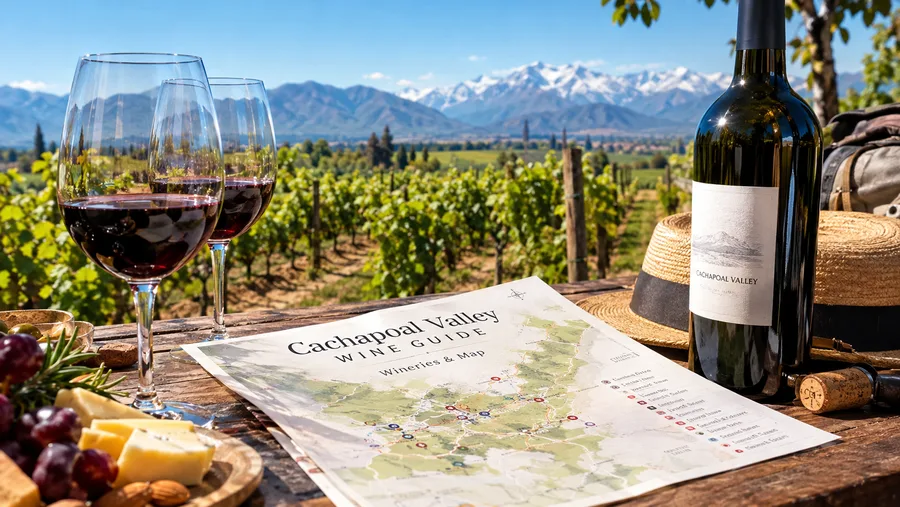
What to Drink: The Signature Varieties
You cannot talk about the valle de cachapoal chile without putting Carmenère at center stage. Back in 1994, when French ampelographer Jean-Michel Boursiquot walked through the vineyards of Viña Carmen in nearby Buin and realized what growers had called "late-ripening Merlot" was actually extinct Bordeaux Carmenère, Peumo was already farming acres of it. Today, bottles from the Peumo sub-appellation are widely regarded as the reference point for the entire continent. Expect deep purple color, plush tannins, and aromatic hits of cracked black pepper, figs, roasted red peppers, and damp earth. They taste great alongside charcuterie or wood-fired flatbreads.
Alto Cachapoal approaches red wine with completely different priorities. The mountain Cabernet Sauvignon here has tension. Instead of jammy fruit, you get cassis, dried laurel leaves, and distinct pencil-lead notes from the mineral-heavy dirt. These bottles need air; if you crack one open straight from the shelf, it can taste firm and tight. Give it 45 minutes in a carafe, and the wild Andean thyme aromas come bursting out.
Syrah from the valley is an unexpected star. Unlike the fleshy, high-alcohol versions from warm flat valleys, Cachapoal Syrah leans savory and smoky. Think black olives, cured bacon, and dried rosemary. Small plots of Malbec and Petit Verdot are also gaining ground as blending components, bringing spine and acidity to the warm valley fruit.
Book your santiago wine tours experience:
Essential Tips for Exploring Valle del Cachapoal
A successful trip out here depends on how well you schedule your driving routes. The region is spread out, and backroads between orchards can be slower than they look on satellite maps. If you are comparing this valley to other Chile wine regions near Santiago, Cachapoal requires slightly more planning because tasting rooms do not stay open continuously throughout the day.
- Book morning visits: Schedule your first tasting for 10:30 AM to beat the mid-day valley heat, which often settles heavily across the vineyard floor between 1:00 PM and 4:00 PM.
- Allow buffer time: Give yourself at least 45 minutes of transit between estates, even if Google Maps insists the drive takes 18 minutes. Farm tractors and slow trucks on two-lane agricultural roads are guaranteed delays.
- Brush up on basic Spanish: Outside of major luxury properties like VIK, several family-run cellars have tasting staff who speak very little English. Simple Spanish phrases will get you far.
- Carry local cash: Card readers in rural areas occasionally lose cellular connection during afternoon storms or windy spells. Having 30,000 Chilean pesos in your pocket saves awkward payment delays.
If you want to combine valleys, it is easy to pair a day here with south-lying Colchagua Valley wine tours, since Santa Cruz sits roughly 70 minutes southwest of San Vicente de Tagua Tagua. Doing both gives you a direct look at how the coastal mountain range shapes grape flavors across a very short drive.
Where to Eat and Sleep Along the Route
Eating well in the valley means leaning into classic country cooking, known locally as comida criolla. You will not find dozens of white-tablecloth restaurants scattered along the highway, but the spots that exist are deeply authentic. For lunch, pull off toward the small rural towns and look for rustic dining rooms serving pastel de choclo, a traditional corn casserole baked over spiced ground beef, chicken, hard-boiled eggs, and black olives. The sweet corn crust balances the sharp tannins of young Cabernet effortlessly.
- Pavilion Restaurant at VIK: High-end, hyper-seasonal cuisine utilizing vegetables grown on the estate grounds, with broad windows looking straight down the valley floor. Expect to spend $60 or more per person for lunch with pairings.
- Juan y Medio: Located right off Ruta 5 near Rosario, this legendary roadside institution has been dishing out gigantic portions of traditional Chilean stew, ribs, and empanadas since 1947. One plate is easily enough for two hungry adults.
- Casa Silva Restaurant: Just over the border into San Fernando, this winery restaurant serves incredible grilled beef and estate wines overlooking a private polo field.
For accommodations, lodging options vary from budget cabins in Rancagua to the ultra-luxury suites at the Vik Chile retreat perched on the hill above Millahue. If your budget does not allow for a $1,000-a-night design hotel, stay in a boutique guesthouse in Requínoa or base yourself in San Fernando, which has quiet hotels and quick access to both Cachapoal and northern Colchagua.
Frequently Asked Questions about cachapoal valley
How far is Cachapoal Valley from Santiago?
The northern edge of the valley around Rancagua is roughly 85 kilometers south of downtown Santiago, which takes about an hour and 15 minutes by car along the Ruta 5 toll highway. Deeper pockets like Millahue take approximately two hours.
What grape is Cachapoal most famous for?
Carmenère is the undisputed star, particularly from the Peumo sub-appellation, where sheltered conditions yield rich, spicy, and chocolatey reds. The cooler Andean slopes of Alto Cachapoal are equally famous for elegant Cabernet Sauvignon and peppery Syrah.
Can I visit wineries without a car?
It is difficult. You can take the Metrotren train from Santiago's Estación Central down to Rancagua in about an hour, but you will need to arrange a pre-booked private driver or taxi service from the station to reach the vineyards, as local taxis rarely wait at rural estates.
Quick Reference
- Drive time from Santiago: 75 to 110 minutes
- Best known grape: Peumo Carmenère
- Peak harvest months: March through early May
- Advance reservations required: Yes, nearly universal
Book your santiago wine tours experience:
My Take
The valley feels like the kind of place wine lovers used to stumble across thirty years ago, before bus parking lots and gift shops took over wine country. It has world-class fruit, astonishing mountain scenery, and unpretentious producers who are genuinely pleased to see travelers pull up to their gates. Rent a car in Santiago, steer clear of the highway rush hours, and spend a couple of unhurried days exploring these quiet backroads. You will drink some of the finest reds on the continent, and you will probably have the tasting rooms entirely to yourself.
Read more about santiago wine tours.