Maipo Valley Wine Tours: Wineries & Day Trip Guide
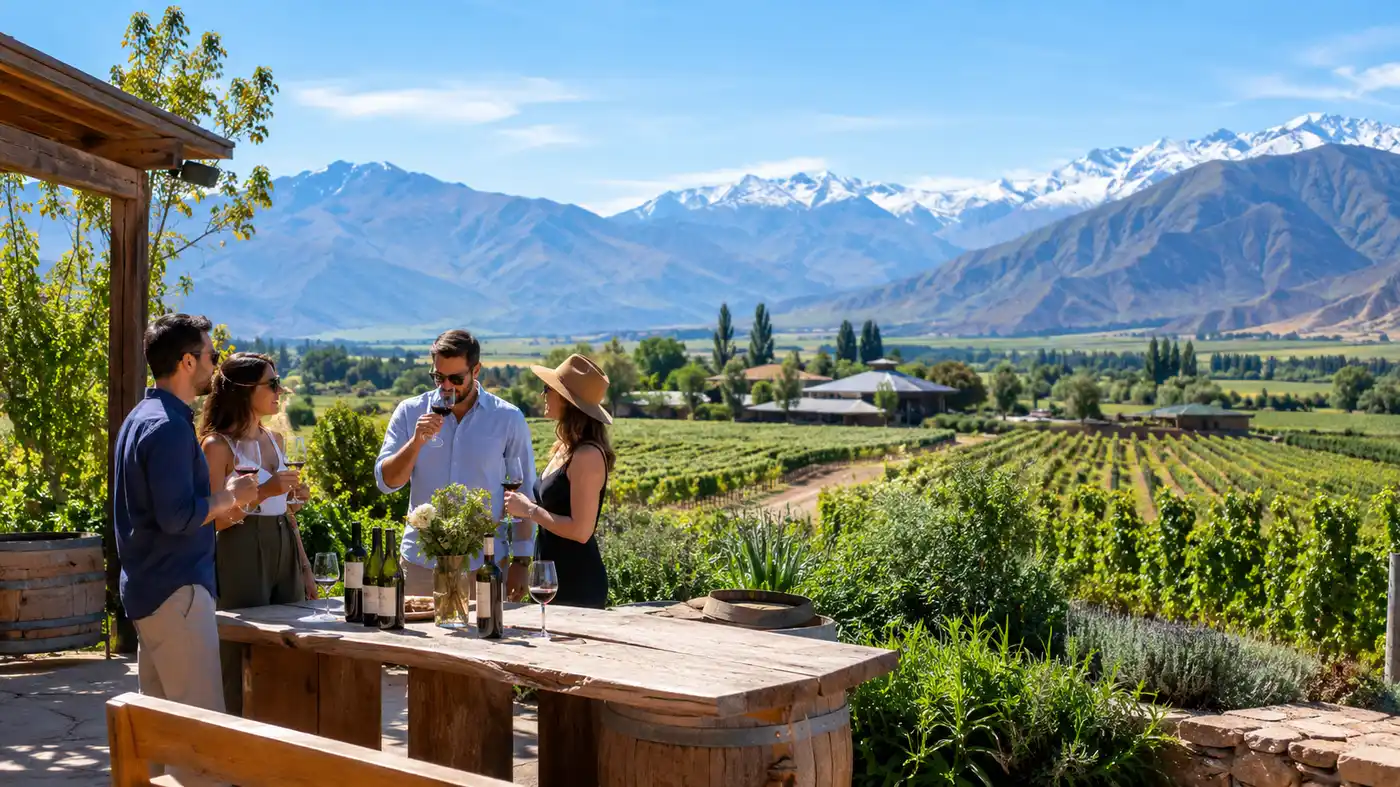
You can see the Andes from almost anywhere in Santiago on a clear winter morning, sharp and heavy with snow. Most travelers look at the mountains, take a photo from the Sky Costanera, and go hunt for empanadas in Lastarria. If you know where to look, you can hop in an Uber or book one of the classic maipo valley wine tours and be standing among hundred-year-old Cabernet vines before your morning cortado has even worn off. It takes roughly 45 minutes to leave the diesel fumes of the city behind and enter a valley where French grape cuttings arrived in the 1850s, back when wealthy mining magnates decided they wanted their backyards to look like Bordeaux.
This is Chile's historic cradle of wine. People call it the Cabernet Capital of South America, and for good reason. The combination of scorching afternoon sun, gravel soils dragged down by ancient glacial floods, and bitter night breezes dropping off mountain peaks creates wine with unmistakable character. You get mint, eucalyptus, cassis, and black pepper in your glass. This guide walks you through the practical reality of planning a visit, skipping the tourist traps, finding boutique cellars, and figuring out whether you should hire a private driver or take the public subway system.
Book your santiago wine tours experience:
Understanding the Regions: Alto Maipo and Beyond
Maipo is not just one uniform plain of dirt. The valley stretches from the steep foothills of the Andes westward toward the coastal range, following the Maipo River. Winemakers split the region into three distinct zones: Alto Maipo, Central Maipo, and Maipo Bajo. If you are after serious red wines, Alto Maipo is where you want to spend your time. Vineyards here sit between 400 and 800 meters above sea level, right against the Andean walls in sub-sectors like Pirque, Puente Alto, and Buin.
Puente Alto produces Chile's most expensive wines, including Almaviva and Don Melchor. The climate here is violent in a good agricultural way. The sun bakes the vines all afternoon, but as soon as dusk hits, cold air slides straight down the canyons from glaciers five thousand meters up. The vines shut down, preserving acidity. That temperature swing, which often hits 20 degrees Celsius in a single day, prevents the grapes from turning into alcoholic jam.
Pro tip: Book your vineyard slots for 10:00 AM or 11:00 AM. Alto Maipo heats up fast by 2:00 PM in summer, and standing in dry gravel vineyards under unfiltered midday sun gets exhausting.
Further west, Central Maipo drops lower and flattens out around towns like Isla de Maipo and Talagante. The weather runs warmer here. You will encounter richer Carménère, softer Syrah, and plenty of everyday reds. Isla de Maipo feels like stepping back into rural nineteenth-century Chile, with narrow tree-lined avenues, Adobe walls, and local bodegas where locals still buy jug wine straight from bulk tanks. It offers a totally different pace than the corporate grand estates near the capital.
Top Maipo Valley Wineries to Visit
Picking which estates to visit can give you a headache. There are over thirty accessible producers within an hour of downtown Santiago, ranging from massive multinational operations with golf carts and headset audio tours to small family cellars where the winemaker's dog follows you through the barrel room. I generally tell friends to pair one grand historical estate with one boutique producer on a day trip. That way you see both sides of the coin without palate fatigue.
Viña Aquitania is my personal favorite for a low-key, high-end visit. It sits in Peñalolén, right in the city suburbs. You take a cheap taxi to the gate, walk in, and find yourself looking at the city skyline on one side and jagged mountain slopes on the other. It was founded by famous Bordeaux names, including Ghislain de Montgolfier from Champagne Bollinger and Jacques de Lamazière. The tour feels like walking through someone's private estate garden, and their "Lazuli" Cabernet Sauvignon is easily one of the most elegant reds made in Chile.
Then you have the legends. The historic Viña Santa Rita winery tour offers an incredible look at colonial Chilean architecture and nineteenth-century cellars built from limestone and egg whites. Bernardo O'Higgins and 120 patriot soldiers hid in their cellars during the War of Independence back in 1814. Today, the property includes a neo-Gothic chapel, a massive landscaped park, and the Museo Andino, which houses around 3,000 pieces of pre-Columbian pottery, silverwork, and textiles. It is polished, massive, and worth three hours of your time.
Note: Concha y Toro is the most famous stop in Pirque, but it gets packed with tour buses. If you go, skip the basic tour and pay for the Marques de Casa Concha tasting instead to avoid the huge crowds.
For something unique, head to Haras de Pirque in Pirque. The winery is built in the shape of a massive horseshoe on a steep hillside, blending thoroughbred horse breeding with organic winemaking. Their gravity-flow cellar is stunning, and their red blends, made in collaboration with Italy's Antinori family, carry a distinct herbal, thyme-laced character that mirrors the wild scrub growing on the surrounding hills.
| Winery | Sub-Region | Standout Wine | Typical Cost (CLP) | Best For |
|---|---|---|---|---|
| Viña Aquitania | Alto Maipo (Peñalolén) | Lazuli Cabernet | $35,000 | Boutique feel, views, intimacy |
| Santa Rita | Alto Maipo (Buin) | Casa Real | $28,000 | History buffs, garden lovers |
| Haras de Pirque | Alto Maipo (Pirque) | Albis Blend | $32,000 | Architecture, dramatic hillsides |
| Cousiño Macul | Alto Maipo (Peñalolén) | Lota | $22,000 | Historic cellars, easy metro access |
| De Martino | Isla de Maipo | Viejas Tinajas Cinsault | $30,000 | Amphora aging, natural winemaking |
How to Plan a Maipo Valley Wine Tour from Santiago
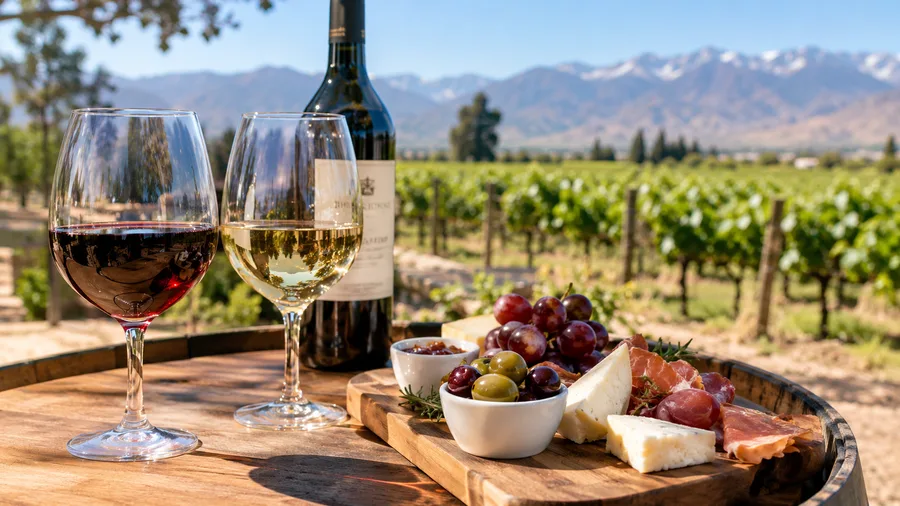
Getting out to the vineyards is simpler than most people think, but Santiago traffic can ruin your day if you do not plan around it. Morning rush hour runs from 7:30 to 9:30 AM, clogging the southern exits like the Autopista Central. If you leave downtown at 9:15 AM, you will sail down south in 40 minutes. If you leave at 8:00 AM, you will sit in traffic for nearly an hour and a half staring at delivery trucks.
You have three realistic ways to make this trip happen:
- Metro and taxi combo: Take Metro Line 4 south to the Tobalaba or Las Mercedes stations, then grab an Uber to Pirque or Peñalolén for roughly $7 to $12 USD.
- Private driver: Hired for around $120 to $160 USD for the full day, letting you hit three wineries comfortably without worrying about tasting limits or Santiago drivers.
- Guided group tour: Runs around $95 to $140 USD per person, handling all entry fees, transport, and lunch, though you stick to their rigid schedule.
- Bicycle tour: Several outfitters run guided rides through the back roads of Pirque, pedaling through walnut orchards and between stone winery gates.
If you choose to navigate via ride-share apps, be warned that while getting an Uber to the wineries in Pirque or Buin is easy, hailing one to return to Santiago at 4:30 PM can test your patience. Many Santiago drivers will not accept pickups out in rural Buin. Ask your tasting room host to call a registered local radio taxi if your app keeps searching fruitlessly.
Another option is combining a morning tour with cycling. Pirque has flat, quiet stretches bordered by high weeping willows, making a Maipo Valley bike tour surprisingly pleasant between October and April. Just keep in mind that Chilean drivers on country roads do not give cyclists much space, so sticking with a guided cycling group is far safer than renting bikes independently.
Book your santiago wine tours experience:
Maipo Valley vs Casablanca: Which Region Fits Your Trip?
First-time visitors to central Chile often wrestle with choosing between Maipo and Casablanca. They are completely different beasts. If you love full-bodied, structured red wines, historic French-style châteaux, and dramatic mountain backdrops, Maipo is the clear winner. The valley has history dating back three centuries, thick adobe walls, and deep-rooted Cabernet traditions that rival Bordeaux.
Casablanca, by contrast, is much cooler, younger, and sits out toward the Pacific Ocean. If you prefer crisp Sauvignon Blanc, cool-climate Syrah, and elegant Pinot Noir, read our Casablanca Valley wine tours guide before locking in your plans. Casablanca has a breezy, modern Californian feel with sleek tasting rooms and sprawling hillside plantings, whereas Maipo feels older, more grounded, and unapologetically classic.
Maipo is also substantially closer to central Santiago. You can finish a tour at Aquitania or Cousiño Macul by 1:00 PM and be eating lunch in Providencia thirty minutes later. Casablanca requires at least 75 to 90 minutes of highway driving each way, which eats up a much bigger chunk of your vacation time.
Crafting the Perfect Day Trip Itinerary
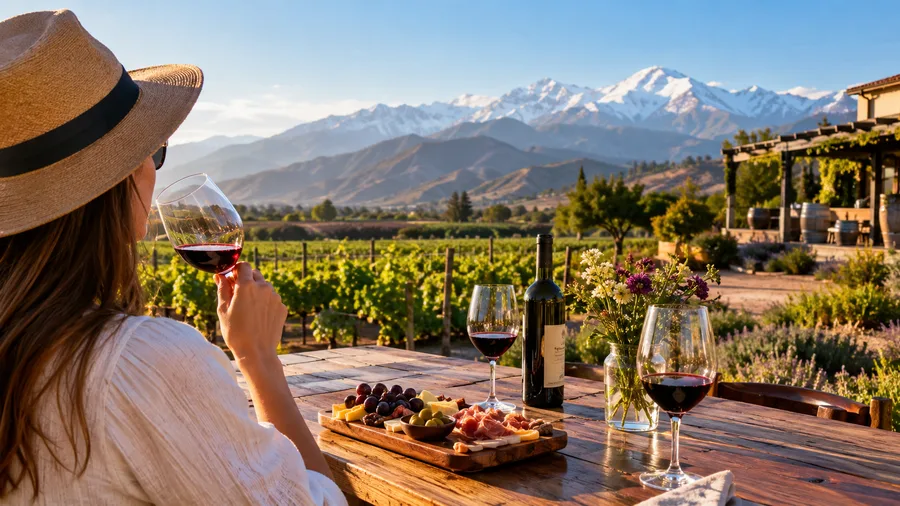
Packing four or five wineries into a single day is a recipe for palate exhaustion. By the fourth stop, every glass of Cabernet tastes like tannic wood shavings and your head starts pounding from the dry heat. Two estate visits with a relaxed, sit-down lunch in between is the sweet spot. If you really want to push it, add a quick third stop for a single glass on a terrace at sunset.
Here is an itinerary that works beautifully without rushing:
- 10:00 AM: Viña Aquitania. Start your day with a peaceful, small-group walk through the vines, checking out their traditional wooden basket press and sampling fresh Chardonnay and their benchmark Cabernet.
- 12:30 PM: Lunch at Doña Paula Restaurant. Head down to Viña Santa Rita in Buin to eat lunch surrounded by centuries-old gardens, dining on pastel de choclo or grilled skirt steak paired with Carmenère.
- 2:30 PM: Viña Santa Rita Cellars & Museum. Take the historical cellar tour, visit the underground patriot refuge, and finish with an hour wandering the Museo Andino before the afternoon heat peaks.
- 4:30 PM: Haras de Pirque Sunset Tasting. Wind down your day on their horse-shoe shaped terrace overlooking the Pirque valley, tasting rich Syrah blends as the sun dips behind the coastal mountains.
If you prefer an earthier, off-the-beaten-path day, point your driver toward Isla de Maipo instead. Estates like De Martino and Antiyal focus on biodynamic practices, ancient amphora fermentations, and old dry-farmed vines. Antiyal is run by Alvaro Espinoza, one of the pioneers of biodynamic winemaking in South America. His estate feels like a thriving small farm filled with flowers, chickens, and compost piles rather than a corporate wine factory. It is unpretentious, genuine, and offers some of the most soulful Carménère in the country.
Dress in layers no matter what month you visit. Morning in the Andean shadows can feel brisk, dropping to 9 degrees Celsius even in late spring, while afternoons easily bake at 32 degrees under blindingly clear skies. Bring a hat, sunscreen, and drink twice as much bottled water as you think you need.
Frequently Asked Questions about maipo valley wine tours
How far is the Maipo Valley from downtown Santiago?
Most northern estates like Aquitania and Cousiño Macul are only 25 to 35 minutes from Providencia. The deeper Pirque and Buin estates take roughly 45 to 60 minutes depending on highway traffic.
Do I need to book winery tours in advance?
Yes, almost every Maipo winery requires reservations at least 24 to 48 hours ahead of time through their websites. Walking up unannounced to boutique cellars usually means being turned away at the security gate.
What is the best month to visit Maipo wineries?
March and April are spectacular because harvest is in full swing, the vineyards turn brilliant shades of gold and amber, and the smell of fermenting fruit hangs in the air. November and December are also lovely for warm weather and leafy vines.
Can I visit Maipo wineries using public transportation?
Yes, for Cousiño Macul and Viña Aquitania you can easily take the Metro Line 4 to Quilín or Tobalaba, followed by a short five-minute taxi. Pirque estates require a longer metro ride to Las Mercedes followed by a local collective taxi or Uber.
Quick Reference
- Driving time from Santiago: 45 to 60 minutes
- Signature grape: Cabernet Sauvignon
- Harvest season: March through late April
- Average tour cost: $25 - $45 USD
- Advance booking required: Yes (24-48 hours)
Book your santiago wine tours experience:
My Take
Do not leave Chile without spending at least one day out in the Maipo dust. Standing in a cellar that has survived massive earthquakes, drinking a Cabernet poured by someone whose grandfather pruned the exact same vines, connects you to the country faster than any city museum. Grab a bottle of reserve red, sit under an avocado tree, and enjoy the Andean breeze.
Read more about santiago wine tours.